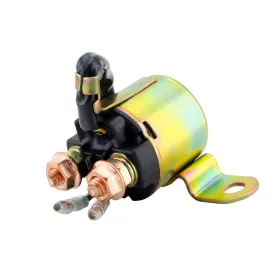
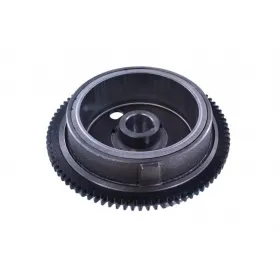
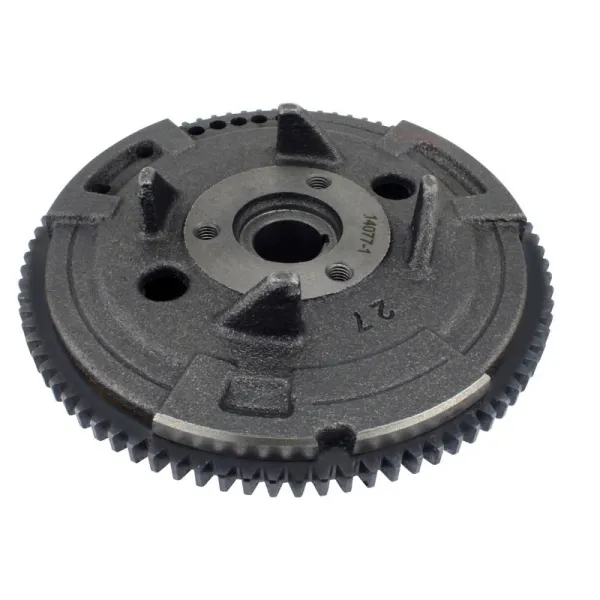
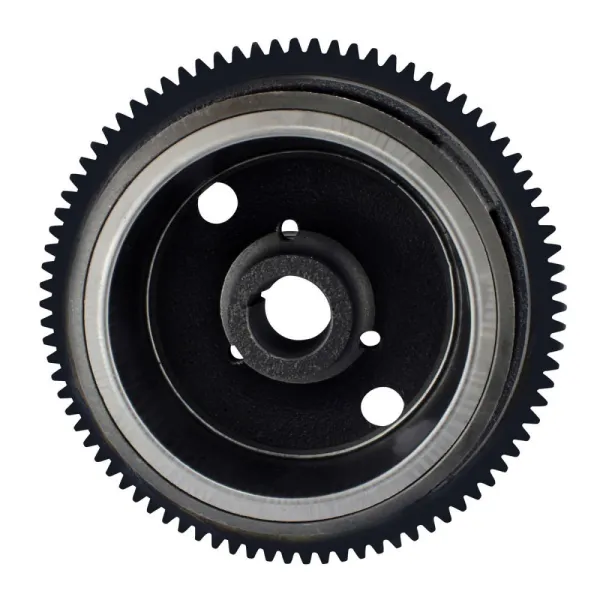
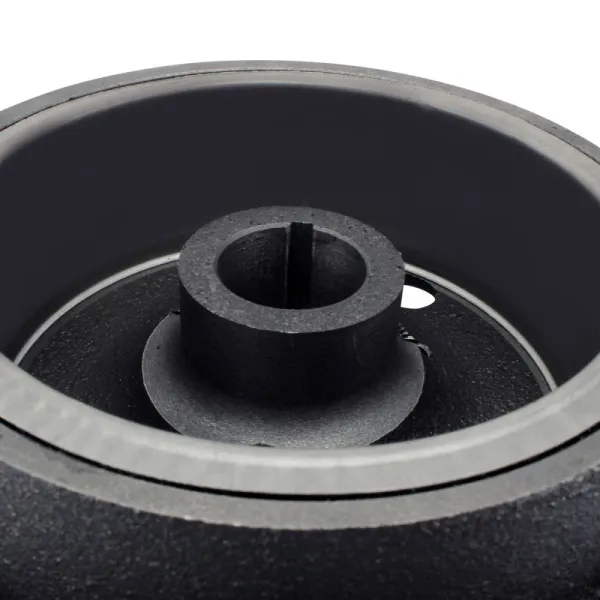
Starter Rebuild Kit-Sportsman 335-400-450-500-Trail Blazer 330-Trail Boss 325-330-Worker 335-500-XPlorer 500
€51.15


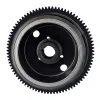
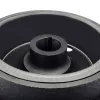
2004 Polaris Ranger 500 Series 11
2003 Polaris Ranger 500 Series 10 2x4
2002 Polaris Sportsman 400
2001 Polaris Sportsman 400
2000 Polaris Sportsman 335
1999 Polaris Worker 335
1999 Polaris Sportsman 335
1999 Polaris Magnum 425 4x4
1998 Polaris Magnum 425 4x4
1998 Polaris Magnum 425 2x4
1997 Polaris Xplorer 500
1997 Polaris Sportsman 500 4x4
1997 Polaris Magnum 425 6x6
1997 Polaris Magnum 425 4x4
1997 Polaris Magnum 425 2x4
1996 Polaris Sportsman 500 4x4
1996 Polaris Magnum 425 6x6
1996 Polaris Magnum 425 4x4
1996 Polaris Magnum 425 2x4
1995 Polaris Magnum 425 4x4
1995 Polaris Magnum 425 2x4
OEM 3084969
3086857
3086858
Dimensions:
Exterior Diameter: 132 mm & 174 mm
Interior Diameter: 106 mm
Height Total: 65 mm
Height Inside: 37 mm
Taper Depth: 28 mm
Taper Widest: 25 mm
Taper Narrowest : 22.30 mm
Please Note: There are two possible flywheel for the ranger 500 series 11. This flywheel will only fit if it has been built before 08-09-2002. If your model has been built after this date you must use CARM11512.
Flywheel
Before attempting to start your Polaris, adjusting the air gap is necessary. Rotate the flywheel so the raised node is lined up with the pick up/pulser coil and adjust as close as possible but no less than 0.010’’.
Puller
Removing a Powersport Vehicle's Flywheel / Rotor:
How it Works
Flywheel Pullers are very versatile engine service tools and are a must in every toolbox. Our large selection of best selling rotor and flywheel pullers fit just about any motorcycle or ATV. Flywheel pullers are very simple to use, having only an outer body to hold the flywheel and a screw to push on the crankshaft. Some are even simpler, having only a bolt to thread into the flywheel. A taper holds the flywheel or rotor and the crankshaft together. The flywheel is secured to the shaft by applying torque to the fixing bolt.
An Important Component to use
Many flywheel or rotor puller tools will include a small cap. This is a crankshaft thread protector, and should always be used if it is included with the puller. You slip this cap onto the end of the inner piece of the puller which presses against the tip of the crankshaft. This keeps the fine threads from being stripped or damaged while removing the flywheel or rotor.
Actions to Avoid
Most of the time, removing a flywheel or rotor is painless. But sometimes corrosion, over-torquing the fixing bolt, or heat-cycling can give you a hard time removing the flywheel. We too often see mechanics use a larger breaker bar or air impact tools to ease the flywheel off. These two techniques will damage the flywheel, the flywheel puller, or the crank. Avoid using them if you want to keep it cheap.
Tips to break a stuck flywheel loose:
Torque Wrench
How do you know if it’s stuck? You simply have to set your torque wrench to 50 ft-lbs and try to ease the flywheel off. If the flywheel is not stuck, you should be able to remove it with even less torque than this. If it is stuck, don’t use more torque or you might break your wrench.
Ball Peen Hammer
If 50 ft-lbs does not do the trick, go fetch something like a 12 or 16 oz ball peen hammer. Hit the end of the flywheel puller with a medium blow. Many times, the shock you create will successfully remove your flywheel. Be prepared to catch the flywheel since the shock of the hammer can make the flywheel jump off. Once again, getting into that situation will be pricey. And don’t forget your safety glasses.
Propane Torch
The hammer is not a be-all, end-all solution. Sometimes, you will have to find something more powerful, and that’s where the propane torch comes in. As a last resort solution, the heat should expand the flywheel but not the crank, since it is too massive to expand as fast. That way, the flywheel will become looser and will come off easier.
Important Security Tips: In order to not set fire to your garage, your vehicle, or yourself, certain precautions are necessary prior to heating the flywheel:
Make sure the flame of your torch is focused, and heat only the center of the flywheel. This is due to the fact that some flywheels use adhesive or other fixing compounds to locate the magnets in the rim that can be damaged by concentrated heat. Here again, the wheel might fall off the crank, so be prepared to catch it. And remember that you just heated it, so make sure you can catch it without burning yourself.
10 other products in the same category: